
Camping Equipment Quality Control Checklist
Use this camping equipment quality checklist to define material, workmanship, functional, packaging and inspection requirements before production.
Published July 18, 2026
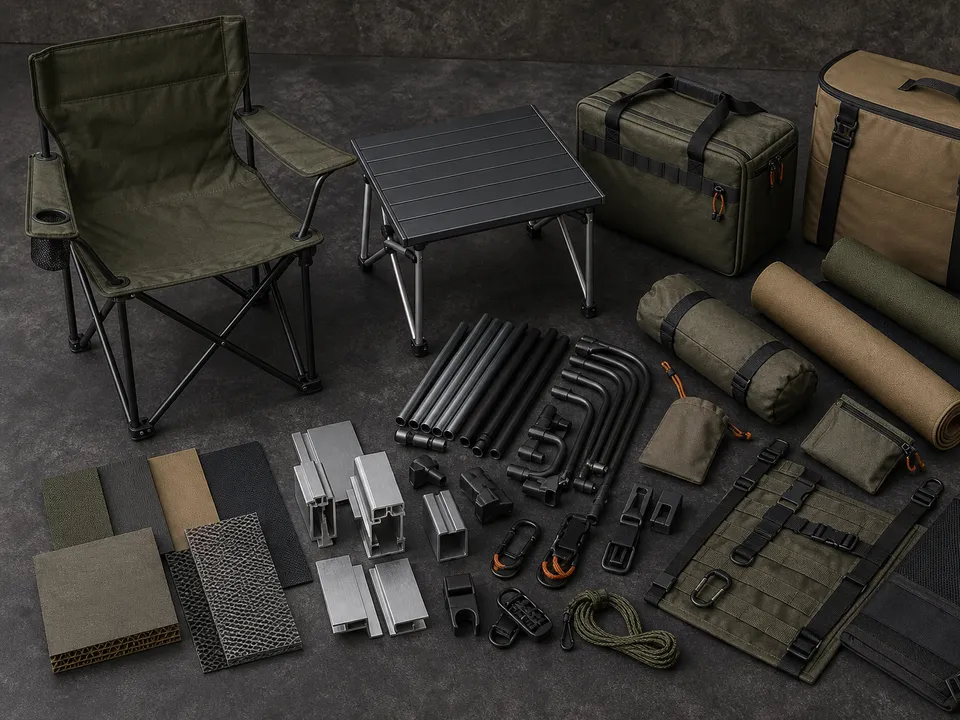
A quality checklist turns “good quality” into observable requirements. It should reflect the product, its use and its destination market rather than repeat a generic inspection template.
The following framework helps buyers prepare a camping equipment inspection plan.
Product identity and approved references
Start by confirming that the inspected goods match the correct purchase order, model, color and revision.
The inspector should have access to:
- Current product specification
- Approved sample or reliable sample record
- Packaging artwork and instructions
- Purchase order quantities
- Confirmed change notices
- Applicable test requirements
Without revision control, a well-executed inspection may evaluate the wrong version.
Material checks
Material verification may include fabric type and weight, coating, color, frame material, hardware, webbing, foam, molded components or food-contact declarations.
Not every material property can be confirmed visually during final inspection. Important properties may require supplier certificates, incoming checks or laboratory testing before production.
Dimensions and workmanship
Define the dimensions that affect fit, assembly, packed size or user experience. Set practical tolerances instead of expecting all measurements to be exact.
For sewn camping products, common workmanship checks include:
- Seam alignment and skipped stitches
- Reinforcement at stress points
- Zipper, buckle and drawcord operation
- Loose threads and visible contamination
- Print and logo position
- Fabric damage, coating marks or shade variation
For metal and assembled products, include frame alignment, fasteners, sharp edges, finish coverage and moving-part operation.
Function and performance
Functional checks must reflect how the product is used. A checklist for camp furniture may include assembly, stability, folding, locking, wobble and a defined load test. A storage product may focus on closure operation, carrying comfort and component security.
Avoid vague instructions such as “test strength.” State the method, load, duration, sample quantity and acceptance result.
Product compliance and safety testing may require a qualified laboratory. Final random inspection is not a substitute for formal testing where standards apply.
Branding and packaging
Verify labels, country-of-origin marking, warnings, barcodes, manuals, retail packaging and carton marks against approved artwork.
Packaging checks can include:
- Product count and accessory completeness
- Polybag or carton dimensions
- Protective materials
- Barcode readability
- Carton weight and sealing
- Drop or transport tests where specified
Packaging errors can block retail intake even when the product itself is acceptable.
Sampling and defect classification
The inspection plan should state the sampling method and how defects are classified. Critical defects may involve safety or legal risk. Major defects can affect function, saleability or expected use. Minor defects usually affect appearance without materially reducing use.
The classification must be tailored to the product. A small cosmetic mark and an unstable chair frame should not be treated the same way.
Close the loop
Inspection results should identify the issue, quantity, evidence and disposition. Corrective actions should be confirmed before shipment when the result does not meet the agreed criteria.
Quality control works best as a sequence: incoming material review, first article, in-process checks and final inspection. See our factory quality workflow or discuss a product-specific plan through the contact page.