
How Long Does OEM Camping Gear Production Take?
Learn what controls OEM camping gear lead time, from specifications and samples to material booking, production, inspection and shipment readiness.
发布于 2026年7月26日
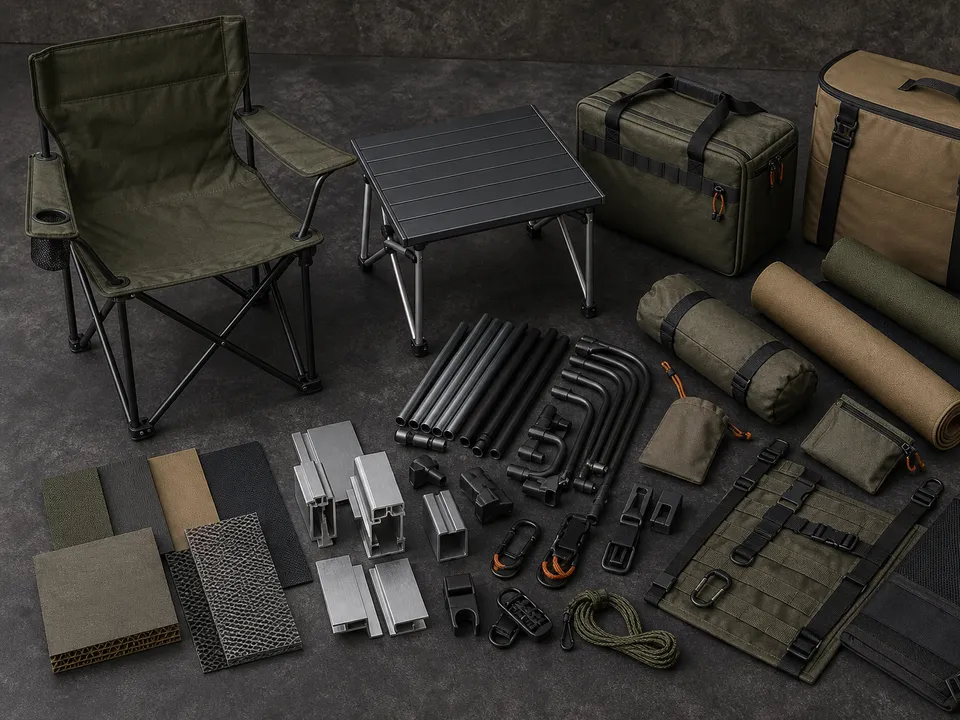
OEM camping gear production does not have one universal lead time. A simple private-label accessory made with available materials can move quickly, while a new multi-material product may require several sample rounds, tooling, laboratory work and custom packaging before mass production begins.
The useful question is not “How many days?” It is: what are the stages, dependencies and approval dates for this specific product?
Separate development time from production time
Buyers often compare a supplier's production estimate with their desired launch date while leaving out development.
A realistic schedule usually contains:
- Requirement review and quotation
- Material, construction and artwork confirmation
- Prototype or sample development
- Testing and sample approval
- Material booking
- Mass production
- Final inspection and corrective work if needed
- Packing and shipment release
Development and production can overlap only when the remaining decisions do not create unacceptable rework risk.
Define the production start point
“Lead time after order” is too vague for a purchase contract. State the event that releases production.
A practical release package includes the signed purchase order, payment milestone, final specification, approved sample, packaging artwork, shipping marks and any required test plan. If one item remains open, clarify whether the factory may book material or only reserve capacity.
This avoids a common dispute: the buyer counts from the deposit date while the factory counts from final artwork approval.
Identify the longest material lead time
For many outdoor products, the longest stage is not assembly. It may be custom-dyed fabric, coated material, aluminum profile, molded hardware, branded trim or printed retail packaging.
Ask the supplier to list each critical input with:
- Supplier or material source
- Minimum order quantity
- Standard or custom status
- Color approval requirement
- Booking date
- Expected arrival date
- Backup option
Changing a material late in development can restart color matching, performance checks and costing. This is why material decisions deserve an approval gate, not an informal message.
Understand tooling and sample rounds
Custom molded parts, formed metal components, cutting dies, jigs and printing plates can add time before a production-representative sample is possible.
Plan sample rounds by purpose. A first prototype may prove size and function without final colors. A revised sample may close construction issues. A pre-production sample should represent the approved materials, branding and packaging closely enough to serve as a production reference.
Our prototype and sampling guide explains how to avoid repeating the same decisions across multiple rounds.
Account for testing and buyer approvals
Testing time includes more than the days in a laboratory. The schedule may also include sample preparation, transport to the lab, report review and corrective work after a failure.
Build decision time into the plan. If the factory sends a sample on Friday but the brand team needs ten business days to consolidate feedback, those ten days belong in the launch schedule.
Appoint one buyer-side owner who returns a single, prioritized comment list. Conflicting feedback from design, sales and compliance teams is a frequent source of delay.
Schedule production by bottleneck
The factory should explain its critical path. Depending on the product, the bottleneck may be printing, welding, surface finishing, sewing, curing, final assembly or packaging.
Ask for milestone dates rather than one finish date:
- Materials complete
- First production unit approved
- 20 percent production completed
- Main assembly completed
- Packing started
- Final inspection ready
Milestones make delay visible early enough to respond. A final update that says the shipment is late leaves few options.
Add time for inspection and recovery
Final inspection should not be booked for the same day as container loading. If the inspection identifies a correctable issue, the schedule needs room for sorting, rework and reinspection.
The inspection date should be based on actual production status, not the original plan. Confirm that enough units are completed and packed for a representative review.
Use the quality control checklist to define what should be checked before the booking is made.
Plan around seasonal constraints
Outdoor demand is seasonal, and China production calendars are affected by major holidays and labor availability. Material mills and packaging suppliers may close on different dates from the assembly factory.
For a peak-season launch, work backward from the required warehouse arrival date. Include freight booking, transit, customs clearance and a reasonable contingency. Do not use the factory completion date as the retail availability date.
How to shorten lead time without increasing risk
The strongest levers usually come from reducing uncertainty:
- Freeze the specification earlier
- Use an existing construction or platform
- Select available materials and colors
- Approve artwork in parallel with sampling
- Reserve capacity with clear commercial terms
- Consolidate feedback through one decision owner
- Book testing and inspection in advance
- Avoid changing packaging after material release
An unrealistic deadline can encourage shortcuts or silent substitutions. A transparent schedule gives both sides better control.
If you have a target launch date, send a project brief with the product type, quantity, customization and destination market. We can help map the decision gates before treating any date as committed.